How Children Master English
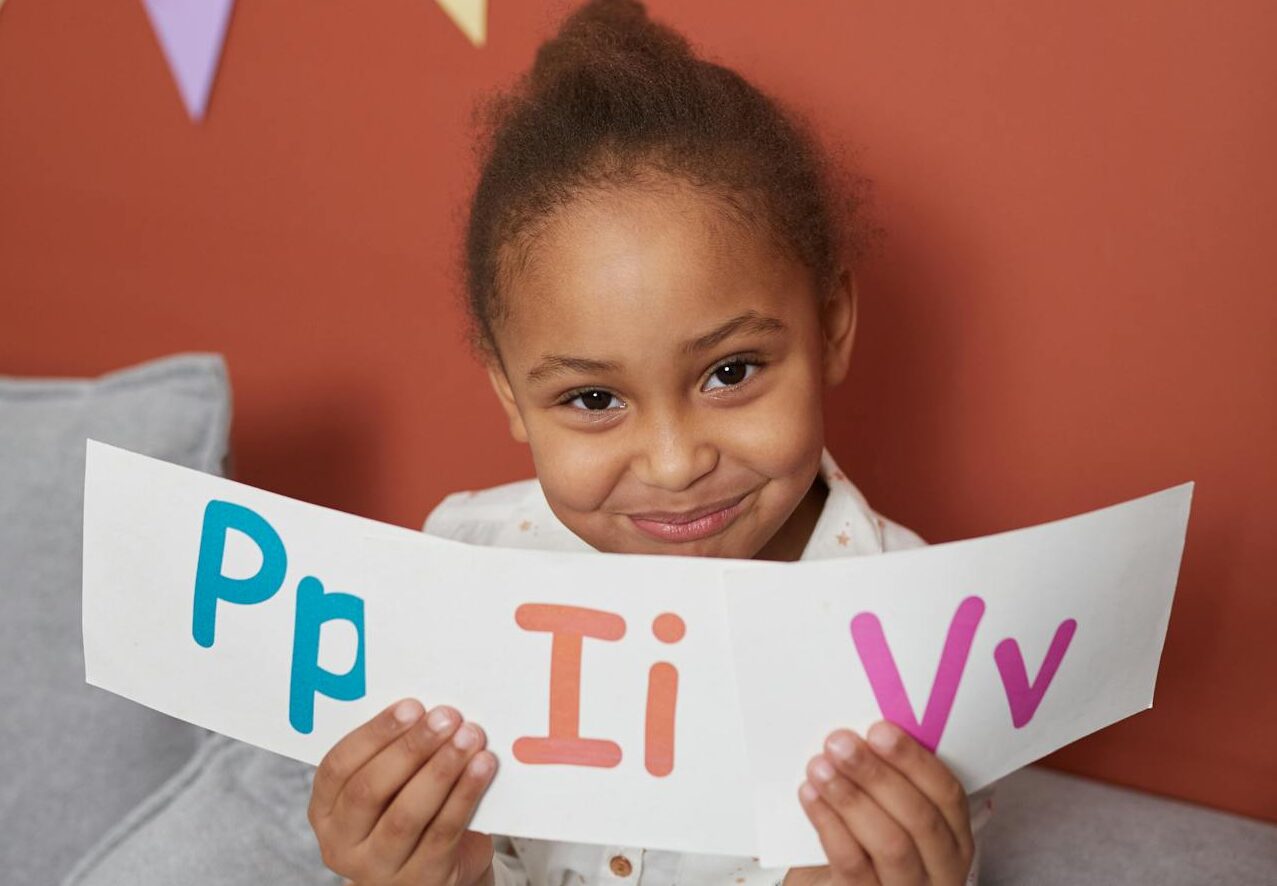
The Magic of Early Learning
Learning a new language is often seen as a challenge for adults, but for children, it feels like a natural extension of playing. At English with Ken, we believe that understanding how children absorb a second language can help parents and teachers create the best possible environment for success.
1. Learning Through Play and Exploration
Children do not sit down with grammar books and verb tables. Instead, they learn by doing. Whether it is playing with alphabet blocks or participating in interactive games, kids absorb vocabulary and sentence structures while they are focused on having fun. This “incidental learning” is powerful because it removes the stress and fear of making mistakes.
2. The Power of Routine
Consistency is key when teaching young learners. Establishing a daily routine helps children feel secure and prepared to learn. Simple habits, such as reading an English storybook before bed or singing a song during bath time, can make a huge difference. Short, frequent sessions are much more effective than long, infrequent ones.
3. Real World Context
One of the best ways for kids to learn is through everyday situations. Parents can use daily activities to practice English naturally:
- Getting dressed: Talk about different items of clothing.
- Meal times: Name the foods and utensils on the table.
- Tidying up: Use prepositional phrases like “put the teddy bear on the bed.”
4. Natural Language Acquisition
Unlike adults, children are experts at decoding their surroundings. They use context clues, body language, and facial expressions to understand the gist of what is being said. They do not need to know every single word to communicate. Over time, this exposure allows them to build a mental map of the language, leading to better brain development and increased cognitive flexibility.
5. Encouragement and Patience
Every child learns at their own pace. Some may start speaking immediately, while others enter a “silent period” where they are simply absorbing information. The most important role for a parent or teacher is to remain enthusiastic and encouraging. Praise small victories to build the child’s confidence.
By focusing on fun, routine, and real life context, we can help children develop a lifelong love for the English language.
Are you looking for more interactive resources or personalized lessons to help your child start their English journey?